+375 17 317 14 14 (sales dept.)


Respiroflor-O 100


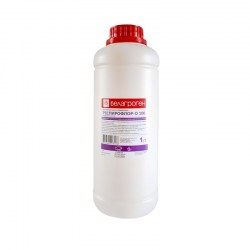
Veterinary drug RESPIROFLOR-O 100
For the treatment of pleuropneumonia, salmonellosis, pasteurellosis and other respiratory diseases in pigs and poultry
- Broad-spectrum antibacterial activity
- For oral use
- Powerful effect (more potent than thiamphenicol and chloramphenicol)
- High bioavailability (88% in pigs and 55% in poultry) and efficacy when administered orally
- Maximum antibiotic concentration is reached 1–2 hours after administration
- Therapeutic concentration is maintained for 24 hours
- Does not cross the blood-tissue barrier
Therapeutic indications:
The drug is used in:
- pigs for the treatment of actinobacillus pleuropneumoniae, Glasser's disease, bordetellosis, pasteurellosis, mycoplasmosis, salmonellosis, colibacillosis and other bacterial infections caused by florfenicol-sensitive microorganisms.
- poultry for the treatment of colibacillosis, salmonellosis, pasteurellosis, ornithobacteriosis (ORT), staphylococcosis and other bacterial infections caused by florfenicol-sensitive microorganisms.
Composition of the veterinary drug:
1 ml of the preparation contains:
- 100 mg of florfenicol as an active substance.
Pharmacological activity:
Florfenicol is the active substance of the drug, an antibacterial substance of the fenicol group. Florfenicol has a broad spectrum of antibacterial action against Actinobacillus pleuropneumoniae, Pasteurella multocida, Mannheimia haemolytica, Bordetella bronchiseptica, Haemophilus spp, Mycoplasma hyopneumoniae, Mycoplasma hyorhinis, Ornithobacterium rhinotracheale, Escherichia coli, Salmonella spp., Staphylococcus aureus, Streptococcus spp., Klebsiella spp., Proteus spp.
Florfenicol has a bacteriostatic effect on microorganisms that are sensitive to it. In the protoplasm of a bacterial cell, florfenicol binds to the 70S ribosomal subunit and suppresses the enzyme peptidyl transferase, that results in the inhibition of protein synthesis at ribosomal level.
When administered orally, florfenicol is well absorbed from the gastrointestinal tract and easily penetrates into all organs and tissues, but does not pass blood-tissue barriers. The bioavailability of florfenicol after the oral administration is 88% in pigs and 55% in poultry. The maximum concentration of antibiotic in the blood is reached after 1-2 hours. The therapeutic concentration of antibiotic in the organs and tissues of pigs and poultry is maintained for 24 hours. Florfenicol is mainly excreted with urine and to a lesser extent with faeces in pigs and with poultry manure in poultry.
Dosage:
Before using the drug, the bottle (vial) with concentrate should be heat to room temperature.
The drug is administered orally with drinking water in the following daily dose:
- Pigs – 5 mg of florfenicol per 1 kg of body weight, which corresponds to 5 ml of the veterinary drug per 100 kg of body weight over a period of 7 days;
- Poultry – 20 mg of florfenicol per 1 kg of body weight, which corresponds to 20 ml of the veterinary drug per 100 kg of body weight or 0.5-1 l of drug per 1000 l of water over a period of 3 days; for the treatment of salmonellosis - over a period of 5 days.
If the concentration of florfenicol in the prepared working solution is more than 1 g/l, which corresponds to 10 ml of the preparation per 1 liter of solution, the active substance may precipitate.
The drug should be used immediately after preparing the solution or suspension concentrate and renewed every 24 hours during the course of treatment. Animals and poultry should receive only drug-containing water during the treatment period. If this is not possible, the daily dose should be divided into 2 equal parts and set (given) with an interval of 12 hours.
Pulse dosing is also allowed for administration of the drug.
Precautions and adverse reactions:
When used in accordance with the instruction, side effects and complications are generally not observed. In animals and poultry with increased individual sensitivity to the components of the drug, allergic reactions may occur (swelling, dermatitis, itchiness). In this case, the drug should be cancelled; antihistamines and other symptomatic treatment should be prescribed.
Do not use the drug in animals with hypersensitivity to florfenicol and other components of the veterinary drug. Do not use the drug in animals with liver and kidney dysfunctions.
In case of overdose of the veterinary drug, food refusal and diarrhea may be observed in animals and poultry. These symptoms disappear spontaneously without use of symptomatic agents.
Do not use the drug simultaneously with:
· thiamphenicol,
· antibiotics of penicillin, cephalosporin, fluoroquinolone groups.
Do not use the drug simultaneously with other veterinary preparations.
After the first administration and cancellation, no peculiarities of the drug use are revealed.
Avoid missing the next dose of the drug, as it may lead to the reduced therapeutic effect. If administration of the veterinary drug is missed, resume it in the same dosage and according to the same treatment scheme as soon as possible. Do not increase the dose to compensate the missing one.
Do not use the drug in farrowing sows, sows during the lactation period and in breeding boars.
Do not use in poultry, which eggs are used for human consumption, as well as to repair young chickens less than 2 weeks before the start of egg laying.
Withdrawal period:
Pigs must not be slaughtered for human consumption before 14 days, poultry – before 2 days after the last drug administration. Meat of animals and poultry forcibly slaughtered earlier than the specified period expires may be used for feeding carnivores.
Storage conditions:
The drug should be stored in a dark place at a temperature between + 2 °C to + 25 °C. The drug should be kept out of reach of children.
Shelf-life:
Shelf-life of the veterinary drug is 2 years from the date of manufacture. Shelf-life after the first opening of the bottle is 28 days under appropriate storage conditions. The prepared working solution should be used within 24 hours. Do not use the drug after the expiry date. Unused veterinary drug should be utilized in accordance with the requirements of the law.
Available without prescription.
 Respiroflor 300
 Respiroflor-O 200
 Respiroflor-O 300
