+375 17 317 14 14 (sales dept.)


Tylvalosin-P


Veterinary drug TYLVALOSIN-P
Treatment of gastrointestinal and respiratory bacterial infections in pigs and poultry
- Higher antibacterial activity compared to other macrolides
- Wide compatibility with other antibacterial drugs
- Broad spectrum of antimicrobial activity
- Particularly effective against a wide range of mycoplasmas
- Treatment of dysentery, enzootic pneumonia, atrophic rhinitis and colitis in pigs
- Treatment of infectious respiratory and gastrointestinal diseases in poultry
- Well absorbed and rapidly penetrates organs and tissues
Short withdrawal periods for meat
Therapeutic indications:
The drug is used for the treatment of pigs and poultry (broiler chickens, replacement pullets of laying hens, parent stock birds) for diseases caused by microorganisms sensitive to tylvalosin.
The drug is prescribed to poultry for chronic respiratory diseases, ornithobacteriosis, enteritis, diarrhea, salpingitis, clostridiosis, necrotic infectious cholangiohepatitis, and other diseases, including sinusitis.
For pigs, the drug is used for enzootic pneumonia, ileitis (proliferative enteropathy in piglets), dysentery, colitis in piglets, infectious atrophic rhinitis, mycoplasmal arthritis, necrotic enterocolitis, and other diseases.
Pharmacotherapeutic group:
Macrolides and azalides.
Dosage form description
Powder for oral administration and preparation of oral solution. In appearance, the drug is a white to beige powder, with a grayish shade permitted.
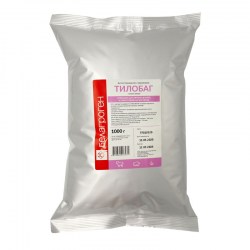
Metallized polymer film bags of 1 kg and multi-layer paper bags with polyethylene coating (liner) of 25 kg.
Composition of the veterinary drug:
1 g of the drug contains 625 mg of tylvalosin tartrate as the active substance.
Pharmacological activity:
Tylvalosin, the active substance of the drug, exhibits bacteriostatic activity against gram-negative and gram-positive microorganisms: some strains of Staphylococcus spp., Streptococcus spp., Diplococcus spp., Corynebacterium spp., Clostridium spp., Erysipelothrix rhusiopathiae, Moraxella bovis, Klebsiella spp., Fusobacterium necrophorum, Bordetella bronchiseptica, Haemophilus spp., Pasteurella spp., Rickettsia spp., Chlamydia spp., Lawsonia intracellularis, Brachyspira hyodysenteriae. Mycoplasmas are highly sensitive to tylvalosin (Mycoplasma gallisepticum, Mycoplasma meleagridis, Mycoplasma synoviae, Mycoplasma arthritidis, Mycoplasma hyosynoviae, Mycoplasma bovis, Mycoplasma suipneumoniae, Mycoplasma hyopneumoniae, and Mycoplasma hyorhinis).
The mechanism of action of tylvalosin is based on the inhibition of biochemical processes and suppression of protein biosynthesis in the microbial cell at the ribosome level through the inactivation of the translocase enzyme. Tylvalosin exhibits higher antibacterial activity compared to other macrolides, which is caused by the formation of the active metabolite 3-acetylisovaleryltylosin. Tylvalosin is well absorbed from the gastrointestinal tract, reaching therapeutic concentrations in tissues within 1–2 hours. The highest levels of tylvalosin are achieved in the lungs, liver, mammary gland, and kidneys. The therapeutic concentration of the antibiotic in the blood after a single administration remains in the body for 24 hours. Tylvalosin is excreted from the body in the form of the metabolite 3-acetylisovaleryltylosin, primarily via feces (about 70%), and to a lesser extent via urine.
Dosage:
The drug is administered orally with feed or drinking water in the following daily doses:
- pigs: 4–8 mg of the drug per 1 kg of body weight (equivalent to 2.5–5 mg of tylvalosin tartrate per 1 kg of body weight) for 5–7 days;
- poultry: 24–40 mg of the drug per 1 kg of body weight (equivalent to 15–25 mg of tylvalosin tartrate per 1 kg of body weight) for 3–5 days.
During the treatment period, the prepared solution should be the sole source of drinking water for animals and poultry. The aqueous solution of the drug is prepared daily in a volume calculated for consumption within 24 hours.
Contraindications:
Contraindicated in animals and poultry with increased individual sensitivity to the components of the drug, as well as in severe liver and kidney disorders. The drug must not be used in laying hens and replacement pullets less than 2 weeks before the start of egg laying due to the accumulation of tylvalosin in eggs.
Overdose:
In case of an overdose, animals and poultry may experience gastrointestinal dysfunction and decreased feed consumption. In such cases, the drug is discontinued, and symptomatic treatment is prescribed. There are no specific antidotes.
Pregnancy and lactation:
In pregnant and lactating sows, the drug is used when necessary under the supervision of a veterinarian based on an assessment of the expected benefit versus the potential risk of use.
Special indications:
No specific effects were identified upon initial administration or withdrawal of the drug. Skipping a scheduled administration should be avoided, as this may reduce therapeutic efficacy. If a dose is missed, the course of treatment should be resumed in accordance with the prescribed dose and schedule. The missed dose should not be compensated by increasing the subsequent dose.
Side effects and individual intolerance:
Side effects and complications are generally not observed when the drug is used in accordance with this instruction. In animals and poultry with increased individual sensitivity to the components of the drug, allergic reactions (dermatitis, itching, edema) and digestive disorders (vomiting, diarrhea) may occur. In such cases, the use of the drug is discontinued, and symptomatic treatment is administered, including antihistamines if necessary.
Withdrawal period:
The use of the drug is prohibited in poultry whose eggs are intended for human consumption. Slaughter of animals and poultry for meat is permitted no earlier than 3 days after the last administration of the drug. In case of forced slaughter earlier than the specified period, the meat may be used to feed carnivorous animals.
Shelf-life:
2 years from the date of manufacture. Do not use the drug after the expiration date.
Storage conditions:
In the manufacturer's packaging in a dark place at temperatures from 2 °C to 25 °C. The drug should be kept out of the reach of children. After first opening the package: 3 months under specified storage conditions. The prepared aqueous solution of the drug is stable for 24 hours.
 Respiroflor-O 100
 Tylobag
 Tiamullinum
